Pokémon: where to start and what to buy
 SeriesPokemonView in catalog
Pokémon has changed a lot over the decades. The series began on Game Boy in Japan in 1996 as Pocket Monsters Red and Green; the West got Pokémon two years later, short for Poketto Monsutā (“pocket monster”).
Game Freak has developed the games from the start and Nintendo has published them as a core pillar. Today only about 19% of Pokémon brand revenue comes from video games (the rest is merch, anime, cards…), but every main-line launch still hits the sales charts hard.
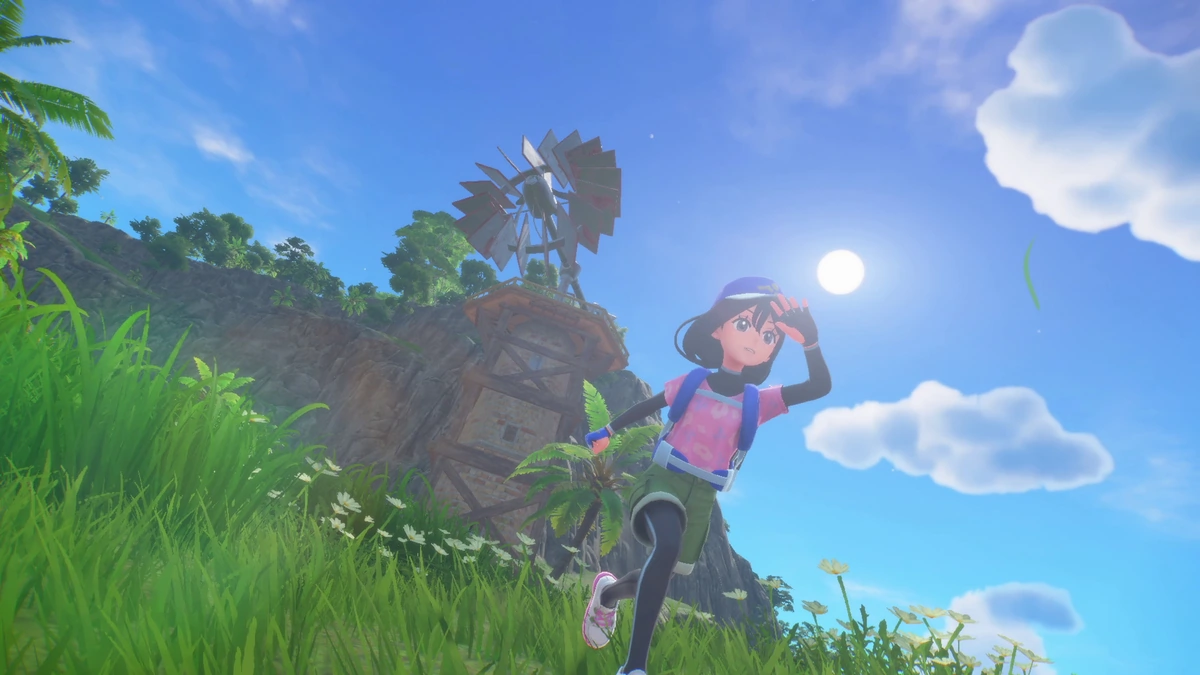
If you open the eShop and see game pairs, remakes, Legends titles, and spin-offs like Pokopia, this guide answers one question: what to buy for your situation.
What Pokémon is about (no spoilers)
Each generation (two games with more or less subtle differences) tells its own story: new Pokémon, a different region, and its own cast. Those regions are usually inspired by real places: Kanto by Japan, Kalos by France, Galar by the UK, Paldea (home of Scarlet and Violet) by the Iberian Peninsula. It’s not a 1:1 map, but landscape, architecture, and local folklore shape each game’s identity.
The general loop barely changes: pick one of three starters, explore the region, take on gyms or equivalent trials, beat a villain team, and aim for the Pokémon League. “Gotta catch ‘em all!” is optional; you can enjoy the campaign without completing the Pokédex, though I personally like trying.
You don’t need FireRed to understand Scarlet, or Omega Ruby to follow Ultra Sun. What carries over is the fantasy of being a Pokémon Trainer, not a narrative thread between generations.
From top-down to third-person 3D
Early games (Game Boy and Game Boy Color) used a top-down view: 2D maps, four-direction movement, turn-based battles with 2D sprites. That’s how Kanto, Johto, and much of the Game Boy Advance era worked.
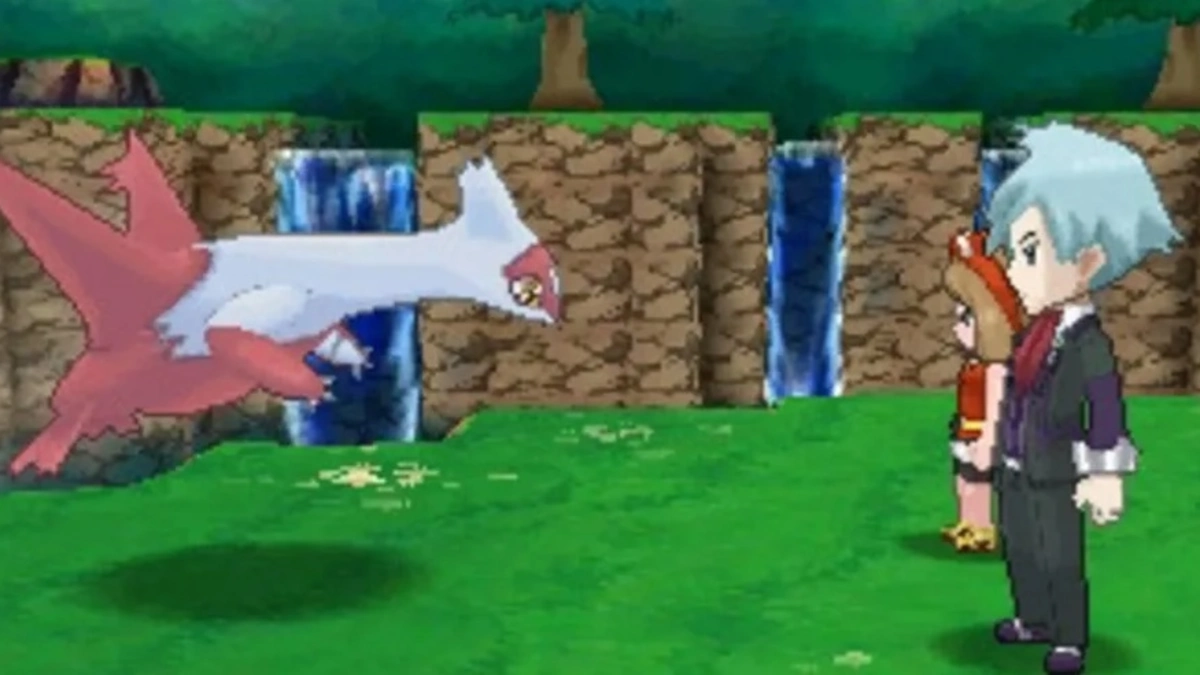
From Nintendo DS and 3DS onward the camera gained depth: 3D environments, character models, and freer exploration, though many routes stayed linear. Switch pushed further: Sword and Shield added open zones; Scarlet and Violet went open-world across Paldea.
The Legends sub-series breaks the mold (real-time combat, fewer classic gyms). We cover it separately below: highly recommended, but not the usual generation RPG.
Remakes and remasters on Nintendo Switch
At a glance: which version to play per generation.
| Gen. | Region | Nintendo Switch version |
|---|---|---|
| 1st | Kanto | Let’s Go Eevee/Pikachu and FireRed/LeafGreen |
| 2nd | Johto | — |
| 3rd | Hoenn | — |
| 4th | Sinnoh | Brilliant Diamond/Shining Pearl |
| 5th | Unova | — |
| 6th | Kalos | — |
| 7th | Alola | — |
| 8th | Galar | Sword/Shield |
| 9th | Paldea | Scarlet/Violet |
No main-series RPG is on Nintendo Switch Online: the subscription has retro spin-offs (Stadium, minigames…), not the numbered entries. To play a generation on Switch, use the column above (eShop or cartridge); everything else lives on DS, 3DS, or the second-hand market.
The carousel below is what I’d play per generation.
The games that matter (by generation)
One card per main generation: the version I’d buy or play today. Chronological order through the series.
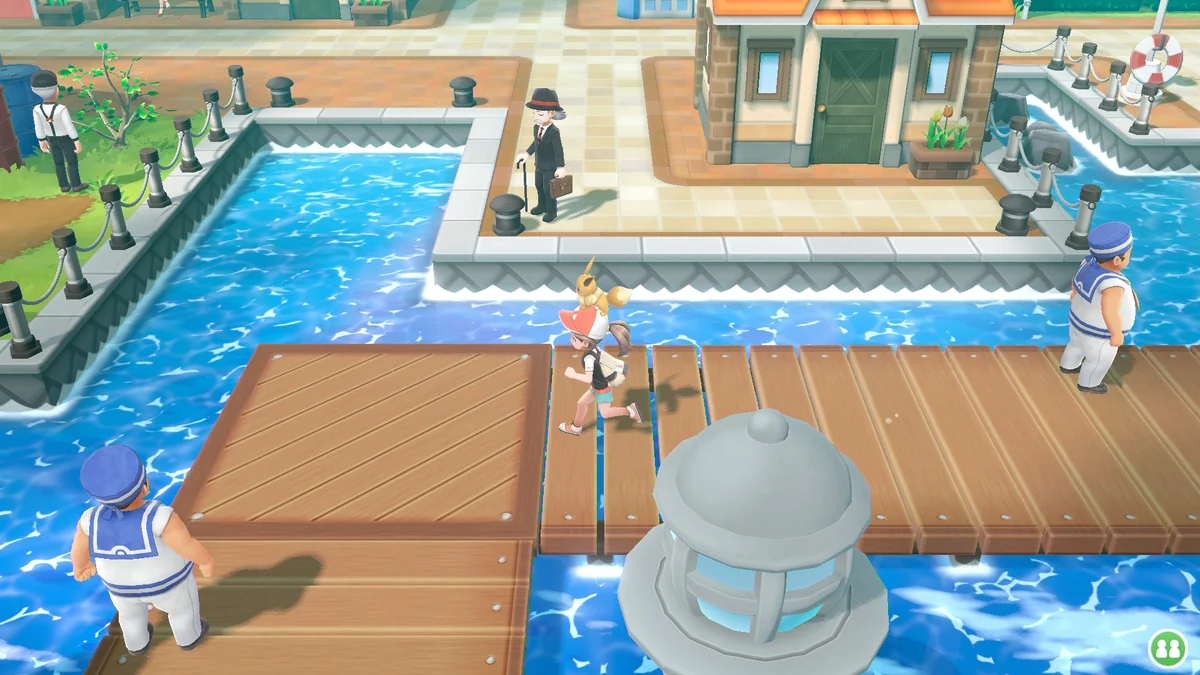
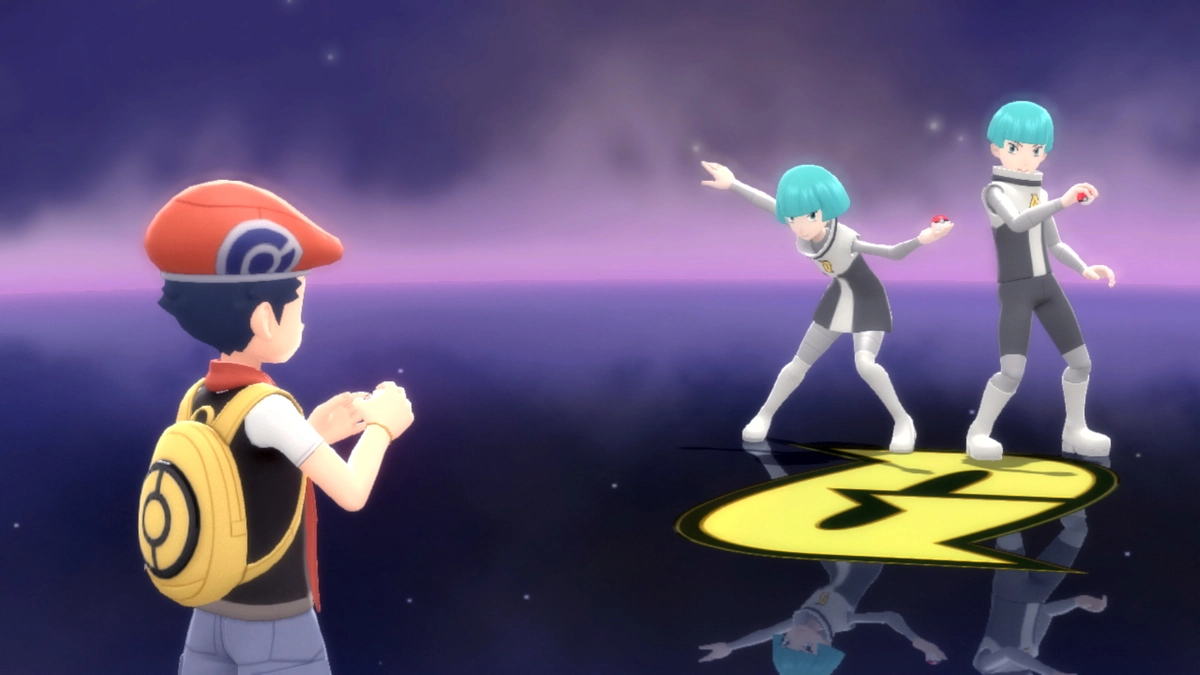
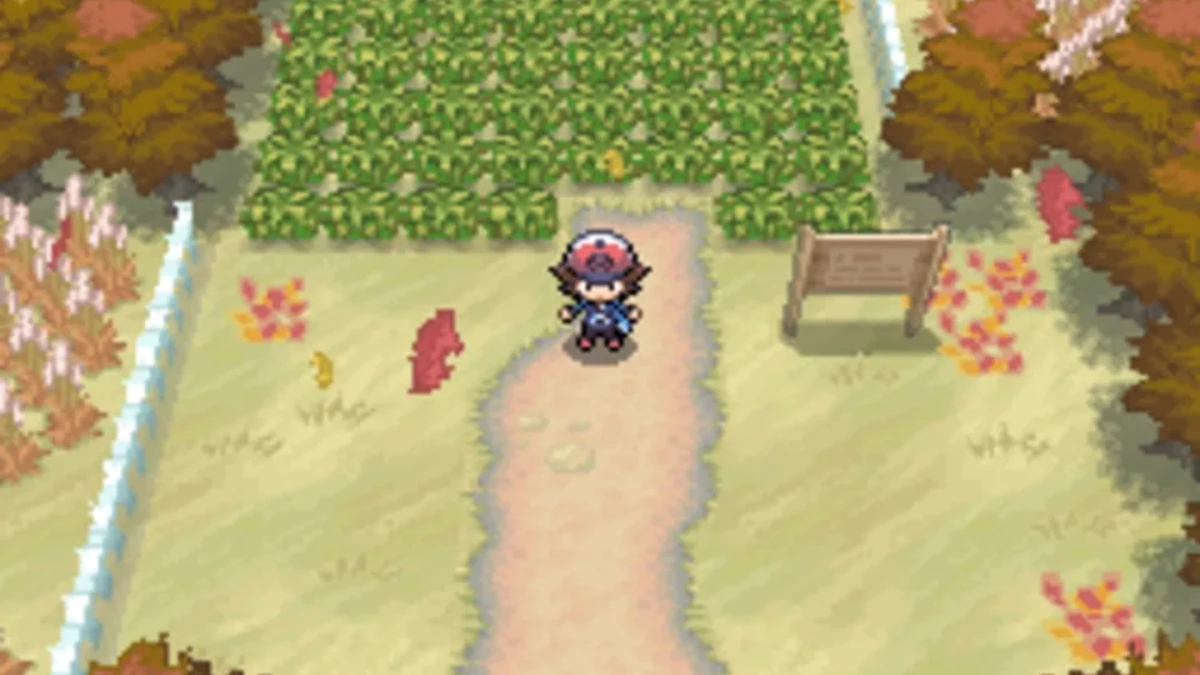
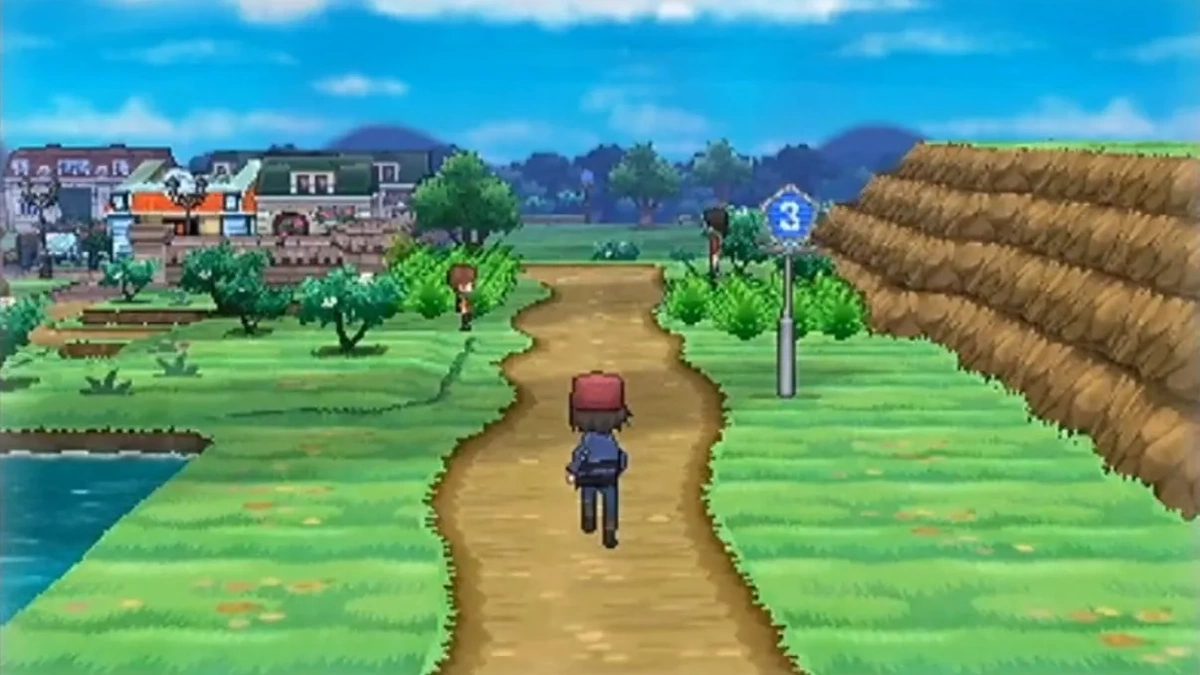
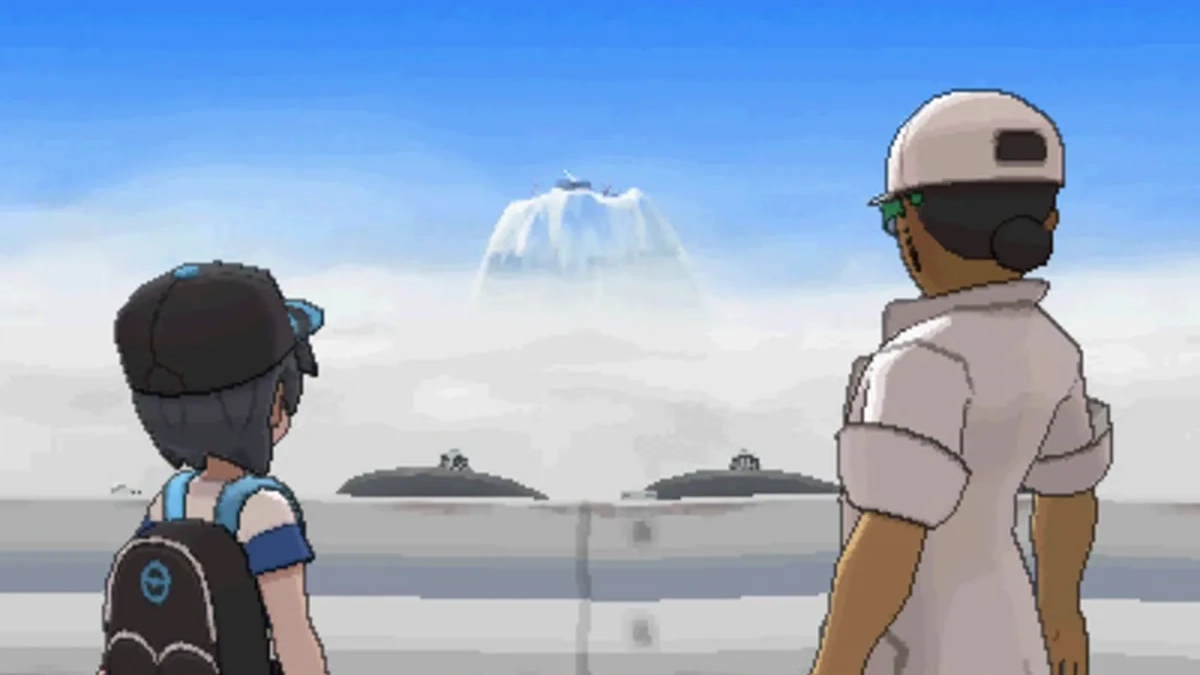
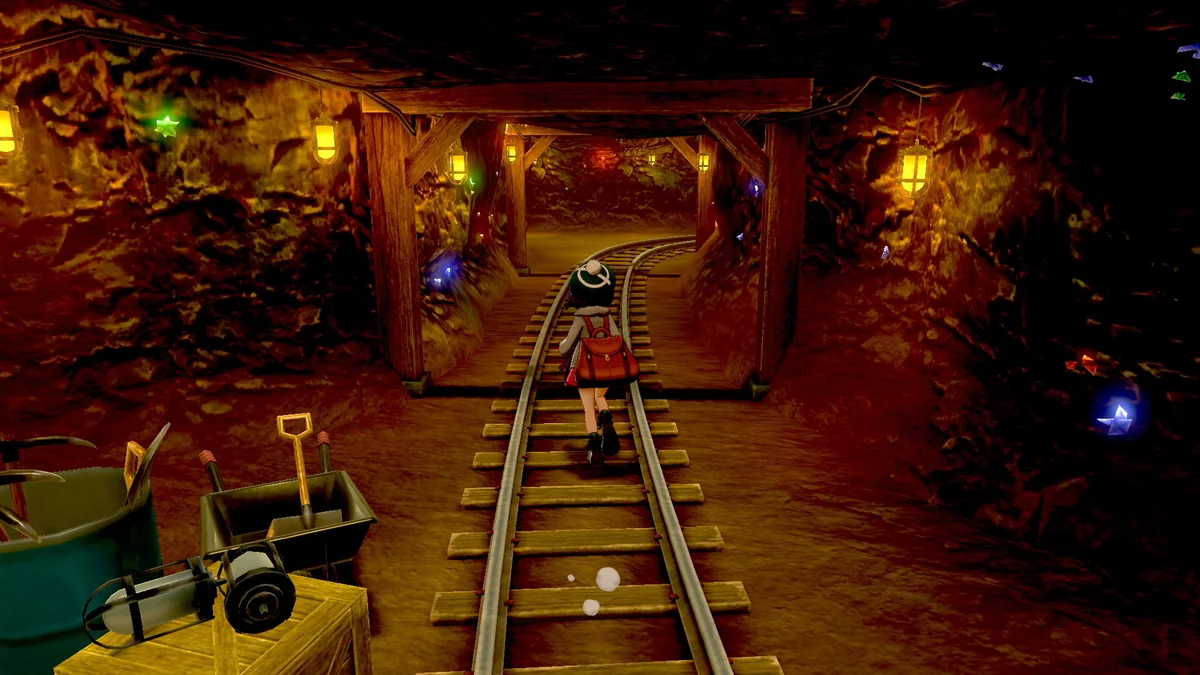
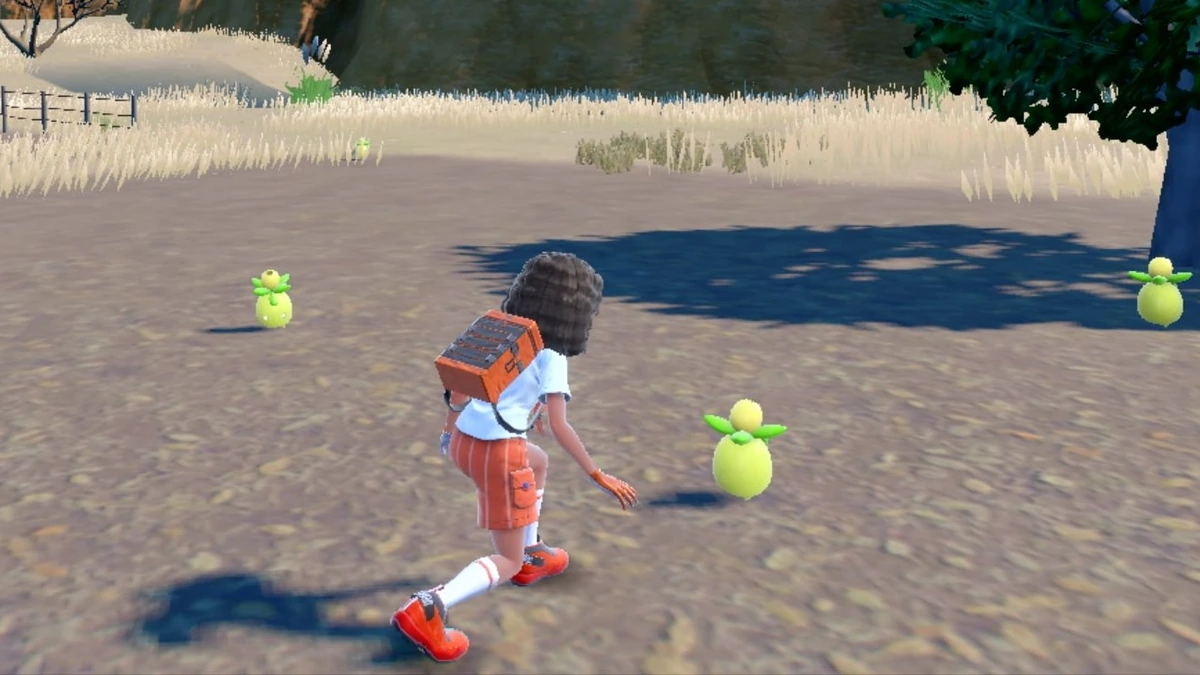
The table shows clear gaps: Johto, Hoenn, Unova, Kalos, Alola… Whole generations still tied to old hardware or second-hand. More re-releases are plausible; Nintendo has already shown these classics still sell.
The latest example is FireRed and LeafGreen on eShop (~$19.99, February 2026). The controversy wasn’t just price (comparable to new indie releases) but format: a Game Boy Advance port with minor tweaks (cloud saves, controls…), not a Let’s Go-level remake. Many expected them on Nintendo Switch Online; Nintendo sold them standalone instead. I’d expect the same playbook for other ports before long.
The Legends line: different Pokémon (but very good)
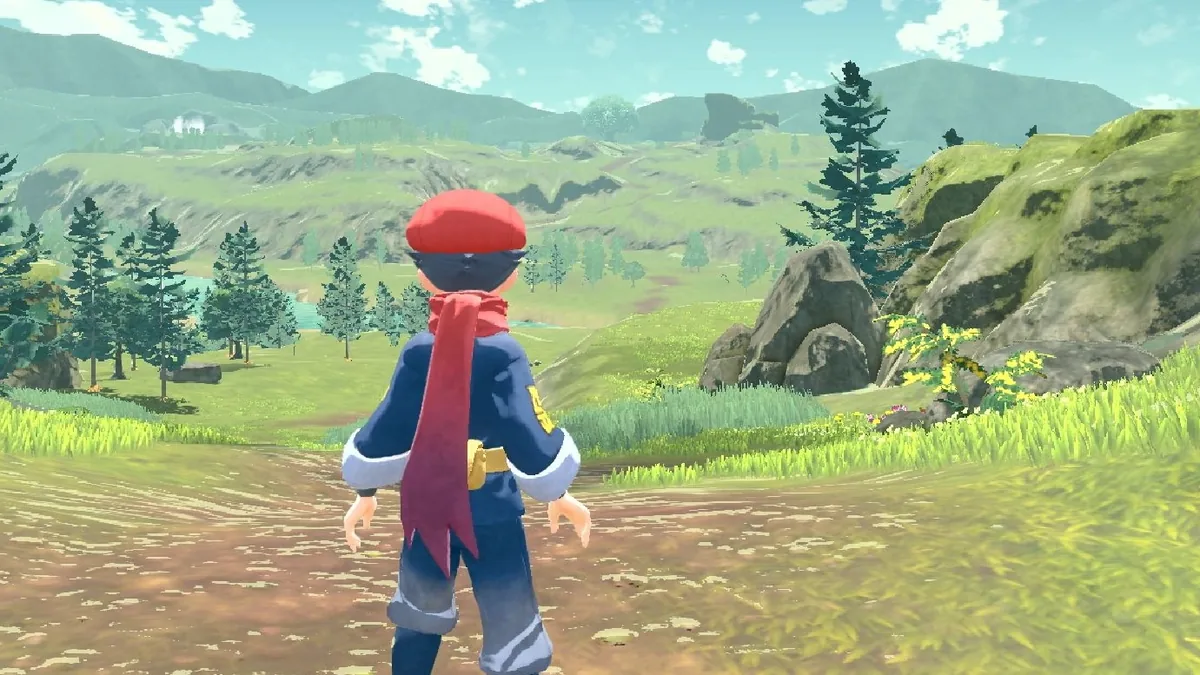
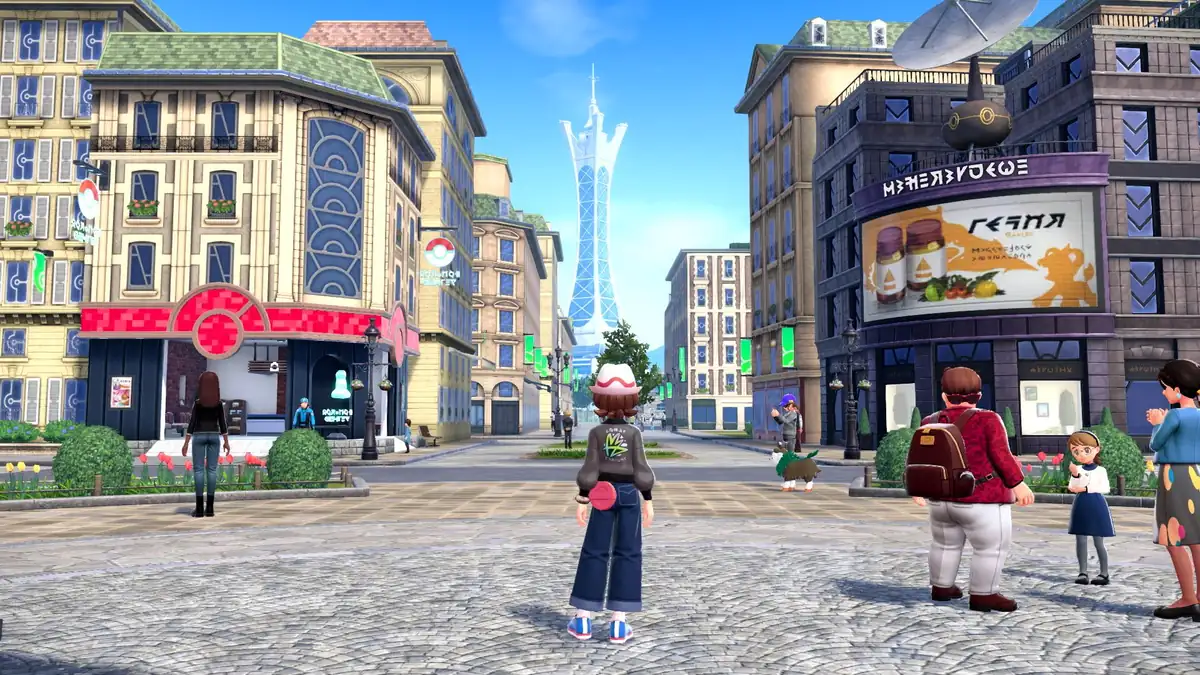
Legends: Arceus and Legends: Z-A are not generation pairs or standard remakes. Game Freak pitches them as reinterpretations of known regions: third-person exploration, more active catching, and combat that steps away from classic turn-based battles. The line has been very well received: Arceus showed the series could reinvent itself without losing charm, and Z-A refines that bet in a more dynamic urban setting. They don’t replace Scarlet/Violet or the Sinnoh remakes, but they’re among the best-rated spin-offs in years, and an excellent shortcut if numbered RPGs all feel the same.
If traditional RPG structure overwhelms or bores you, this is where people who’d quit the series often come back. If you want gyms and the League, stick with the generation carousel above.
Where to start and what version to buy
You don’t need numeric order: jump to the region or Pokémon that appeal to you; each generation is a closed story. Early games hid more mysteries, postgame, and layers of complexity; recent entries (Sword/Shield, Scarlet/Violet) split the community more because they’re more accessible and straightforward, and too childish for many veterans.
- First time, current RPG: Scarlet or Violet (one version is enough; bundle with The Hidden Treasure of Area Zero for DLC).
- Gyms and menus wear you out: Legends: Arceus.
- A living city calls to you: Legends: Z-A.
- Classic gyms on Switch: Brilliant Diamond / Shining Pearl.
- Easy Kanto: Let’s Go.
- Tight budget: FireRed / LeafGreen on eShop (~$19.99).
- Version pairs: exclusives differ, story doesn’t; coordinate with whoever you trade with.
- Pokémon HOME: only for moving Pokémon between compatible versions; skip until you own more than one game.
- Online trading: Nintendo Account and, for multiplayer, Nintendo Switch Online.
Spin-offs and alternative games
Not everything with “Pokémon” on the box is a generation RPG. On console there’s photography (New Pokémon Snap), dungeons (Mystery Dungeon), life sim (Pokopia on Switch 2), or separate RPGs like Colosseum and XD on GameCube. On mobile, Pokémon GO, UNITE, Masters EX, and other free-to-play titles help you learn creatures or play in short bursts, but they don’t replace a main-series campaign. All are worth it on their own; if you want the core saga, start with the generation carousel and save spin-offs for when a genre hooks you.
What you can skip
Almost anything, if you want. No mandatory order or rush: the series doesn’t break if you skip generations.
- All nine generations back-to-back if you just want one good campaign: pick a region and go.
- Blind nostalgia: 2D classics have charm the current 3D sometimes dilutes, but you don’t need to start on Game Boy to “get” Pokémon.
- Don’t write off Sword and Shield: if they appeal more than Paldea, gen 8 keeps a more classic structure; Scarlet and Violet lean hard into open world and aren’t for everyone.
- Buying now if you’d rather wait: Winds and Waves (expected 2027, calendar) promise to polish the main series’ 3D style; worth seeing what they announce before buying the latest release.
What I wouldn’t skip lightly are spin-offs that fit you: Pokopia shines if you like sandbox building, and Colosseum remains a beloved GameCube oddity, a more mature-toned RPG with 3D double battles before that was standard.
In short
Pokémon is a saga of independent regions: choose by region, style (remake, generation RPG, open-world Paldea), or the Pokémon you like, not by forced numeric order.
For the current classic RPG: Scarlet/Violet. If the traditional formula doesn’t click, try the Legends line before giving up. Everything else enriches the picture; other spin-offs are a separate conversation.
You might also like
 Buying guideNintendonintendo-switch-online
Nintendo Switch Online: plans and Expansion Pack
Individual, Family, and Expansion Pack: what each Nintendo Switch Online plan includes and which one makes sense in 2026.
Buying guide5 min read
 The Legend of ZeldaBuying guideNintendo
The Legend of Zelda: where to start and what to buy
Top-down, third person, NSO, timeline, and where to begin: a guide to nearly forty years of Zelda without drowning in the store.
Buying guide8 min read
 Buying guideNintendo
Nintendo Switch 2 exclusives in 2026
Which Switch 2 exclusives you can buy now and what’s coming in 2026: Mario Kart World, Bananza, Pokopia, Splatoon Raiders, Fire Emblem, and more.
Buying guide6 min read